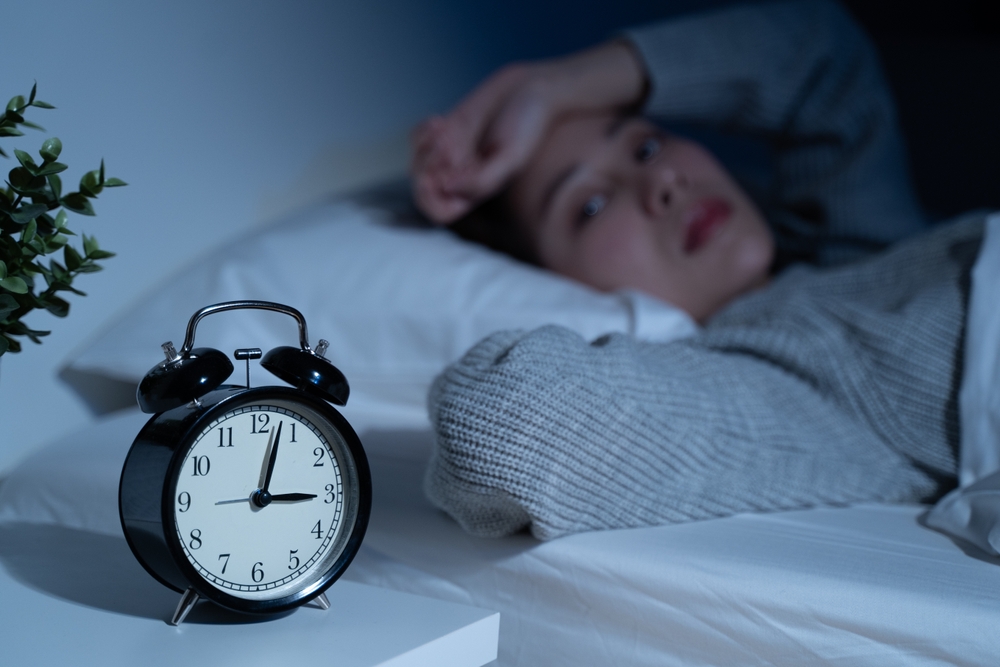
At some point in your 40s or 50s, you might start noticing that something feels different. Sleep doesn’t come as easily. Your mood shifts in ways that don’t quite match what’s going on in your life. You’re tired in a way that rest doesn’t seem to fix. Clothes fit differently even though your habits haven’t changed.
These changes are real, and they’re not random. For many women, they’re directly connected to the hormonal shifts that happen during perimenopause and menopause. Understanding what’s actually occurring in your body — and what can be done about it — is the first step toward feeling better.
What’s changing and why
Estrogen and progesterone, the two primary female hormones, don’t decline all at once. During perimenopause — which can begin years before the last menstrual period — levels fluctuate unpredictably. This instability is often what drives the symptoms women notice first.
These hormones do far more than regulate the reproductive cycle. Estrogen influences how the brain regulates mood, how the body distributes fat, how bones maintain their density, and how the cardiovascular system functions. Progesterone plays a key role in sleep quality. When both begin to fluctuate and eventually decline, the effects can show up across nearly every system in the body.
What the symptoms actually feel like
Hot flashes and night sweats are the most widely recognized symptoms of this transition — and for good reason. These sudden waves of heat can be jarring during the day and severely disruptive at night, leaving many women dealing with fatigue that compounds over time.
But the hormonal changes of midlife often produce subtler symptoms that are just as impactful:
- Mood changes that seem disconnected from life circumstances — irritability, anxiety, or low mood that comes and goes without clear triggers
- Difficulty falling asleep or staying asleep, even when you’re exhausted
- Changes in body composition, especially increased abdominal fat, without changes in eating or exercise habits
- Difficulty concentrating, brain fog, or a sense that your mental sharpness has shifted
- Low energy and reduced motivation that wasn’t there before
Any one of these, in isolation, might be attributed to stress or aging. But when several appear together — and especially when they emerged around the same time — hormones are often the common thread.
Getting an accurate picture with proper evaluation
The only way to know what your hormone levels are doing is through blood work. A thorough evaluation looks at estrogen, progesterone, and related markers, and also rules out other conditions — like thyroid dysfunction or adrenal changes — that can produce very similar symptoms.
At Innovative Medicine, we take both the lab results and your reported experience seriously. Hormone levels alone don’t always tell the full story. How you’re feeling, what symptoms you’re experiencing, and how long they’ve been present all contribute to developing the right treatment plan.
Natural bioidentical hormone replacement therapy: how it works
For women whose symptoms are related to hormone decline, natural bioidentical hormone replacement therapy (BHRT) is often an effective option. Bioidentical hormones are structurally identical to the hormones your body produces — meaning they interact with your receptors in the same way your natural hormones do.
BHRT is not a one-size approach. Doses are calibrated based on your specific lab values and symptoms, and adjusted over time as your body changes. Under proper medical supervision, many women experience significant relief from hot flashes, improved sleep, more stable mood, and a return of energy they thought was simply gone.
Why early evaluation matters
Beyond the day-to-day quality of life improvements, addressing hormone decline in midlife has long-term health implications. Estrogen plays a protective role in bone density and cardiovascular health. The years around menopause are a window of opportunity to support both — and that window is easier to act on earlier rather than later.
If you’re in your 40s or 50s and recognizing yourself in any of this, a hormone evaluation is a reasonable and worthwhile next step. You don’t have to wait until symptoms become severe to look for answers.